Reviewing Arial Narrow Font GHI for Real Projects
As an embroidery designer who has spent years navigating the landscape of digital design assets, I understand the delicate balance between aesthetic appeal and technical reliability. When a new machine embroidery design catches my eye, especially one categorized under Back To School, I immediately begin evaluating its potential for real-world application. Today, I am reviewing the Arial Narrow Font GHI from Creative Fabrica to determine if it holds up under the scrutiny of professional use or if it is merely another decorative file that looks good on a screen but fails in the hoop.
First Impressions: Visual Mood and Stitching Personality
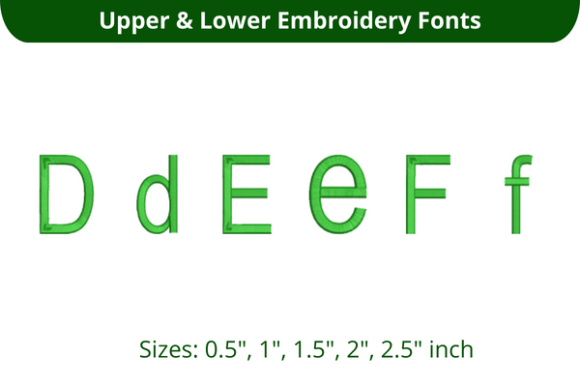
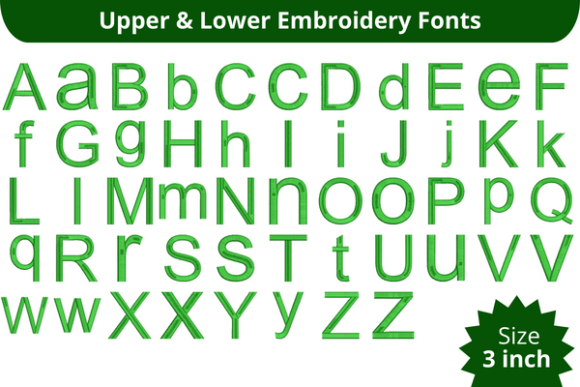
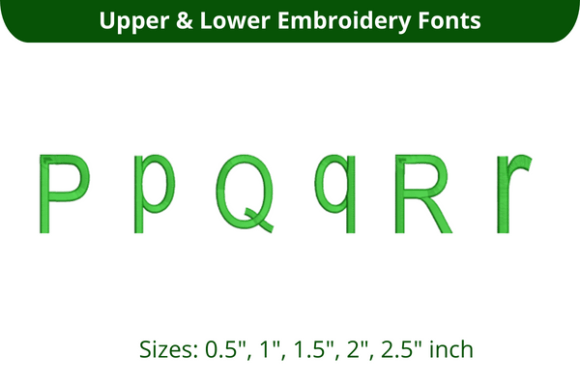
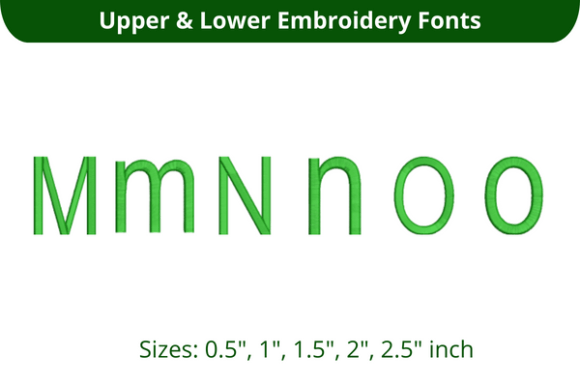
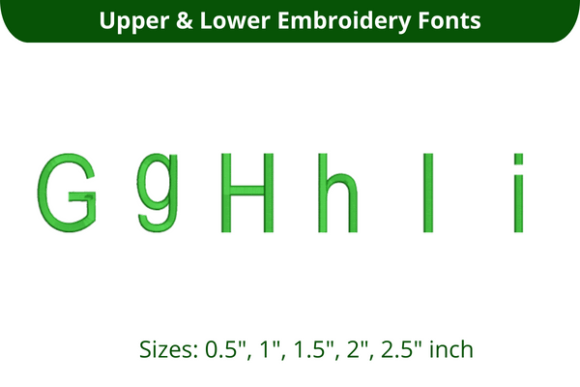
Upon opening the preview for Arial Narrow Font GHI, the first thing that strikes you is its clean, utilitarian elegance. Unlike many novelty fonts that rely on excessive embellishments, this embroidery file stays true to the classic sans-serif aesthetic while adapting it for needlework. The visual mood is crisp and modern, making it an excellent candidate for projects where legibility is paramount. Whether you are looking to add names to a tote bag design or dates to a commemorative sweatshirt embroidery, the narrow profile of the font allows for efficient use of space without sacrificing readability.
The stitching personality appears to be a blend of satin stitch for definition and subtle fill stitch techniques to ensure durability. This combination is crucial for commercial embroidery where the finished product must withstand frequent washing and wear. The design does not feel overly dense, which is a common pitfall with narrow fonts that can easily become puckered or stiff if the stitch density is not managed correctly. For a designer creating custom apparel, this suggests a smooth finish that will lay flat against various fabric textures.
Performance in Real Embroidery Work
To truly test the value of Arial Narrow Font GHI, I imagined using it for a specific client order: a set of personalized aprons and kitchen towels for a teacher appreciation gift basket. In this scenario, the font's narrow structure is a significant advantage. It allows for longer phrases or full names to fit within a standard 5x7 inch hoop size, which is often a constraint when working with wider typefaces. If you are an Etsy seller or a small business owner producing handmade products, maximizing the usable area of your hoop directly impacts your production speed and material costs.
I also considered using this Creative Fabrica embroidery asset for caps. Curved surfaces present unique challenges for lettering, as the fabric stretches and distorts during the stitching process. The simplicity of the Arial Narrow Font GHI structure makes it less prone to distortion compared to more intricate scripts. However, even with a robust design, the placement on a curved cap requires careful attention to the stabilizer used. The font's clean lines should translate well to the top of a cap, providing a sharp, professional look that elevates the perceived value of the item.
For those venturing into embroidered patch creation, this font offers a versatile base. Patches often require high contrast and clear edges to remain visible when sewn onto jackets or bags. The defined edges of this font suggest it would hold up well during the cutting and finishing stages of patch production. Furthermore, the neutral style ensures it fits seamlessly into various themes, from the Back To School season to year-round branding for boutique merchandise.
Practical Considerations for Textured and Stretchy Fabrics
One of the most critical aspects of any digital embroidery file is how it interacts with different materials. When working with textured fabrics like denim or heavy canvas, or stretchy materials like jersey knit for baby items, the risk of registration errors increases. With Arial Narrow Font GHI, the narrower width means there is less surface area for the thread to bridge gaps, which can actually be beneficial on textured surfaces. However, on very dark fabrics, the lack of a heavy fill might make the text appear thinner than intended unless you select high-contrast thread colors.
Before committing to a final run on expensive fabric, it is essential to perform a test on scrap material. Check the tension and ensure that the running stitch elements, if present, do not pull the fabric too tightly. For stretchy fabrics, using a tear-away or cut-away stabilizer appropriate for the weight of the material is non-negotiable. This ensures that the letters maintain their shape after the garment is washed and worn. As a professional, I always advise checking the stitch density settings on your machine to prevent puckering, especially when working with smaller letter sizes.
Impact on Product Value and Brand Consistency
In the competitive world of handmade goods, presentation is everything. Using a high-quality font like Arial Narrow Font GHI can significantly enhance the visual appeal of your finished product. A clean, legible font communicates professionalism and attention to detail, which builds buyer trust. Whether you are selling personalized gifts at a craft fair or listing items on your online shop, the typography you choose contributes to your brand identity.
Consistency is key for creative entrepreneurs looking to build a recognizable brand. If you frequently create nursery decor or seasonal items, having a reliable font that works across different mediums—from pillow covers to baby blankets—ensures a cohesive look in your catalog. This consistency helps customers recognize your work instantly. Additionally, when creating printable mockups for social media marketing, the clarity of this font ensures that your promotional images accurately represent the quality of the actual embroidery.
Final Verdict and Practical Notes
After a thorough evaluation, Arial Narrow Font GHI proves to be a valuable addition to any designer's library. Its versatility, clean lines, and efficient use of space make it suitable for a wide range of applications, from simple name tags to complex commercial embroidery projects. However, as with any design asset, success depends on proper execution.
- Test First: Always stitch a sample on the same fabric and stabilizer you plan to use for the final product.
- Check Licensing: Before selling finished items, review the license terms on the Creative Fabrica product page to ensure you are compliant with commercial use rights.
- Color Contrast: Pay close attention to thread colors, especially on dark fabrics, to ensure the narrow strokes remain visible.
- Hoop Size: Verify that your desired text length fits comfortably within your available hoop size without needing excessive scaling.
- Stitch Inspection: After stitching, inspect small details to ensure no loose threads or skipped stitches affect the overall quality.
If you are looking for a reliable, professional-grade font to elevate your Embroidery business, particularly for Back To School preparations or general personalization needs, Arial Narrow Font GHI is a strong contender. It bridges the gap between digital convenience and tangible craftsmanship, offering a solution that respects both the art of embroidery and the demands of the modern market.